
Reading a Worktop Guarantee Before You Pay
A worktop guarantee can cover the material, the fabrication or the fitting, so check who provides it, what it covers, how long it lasts and what care it expects from you.
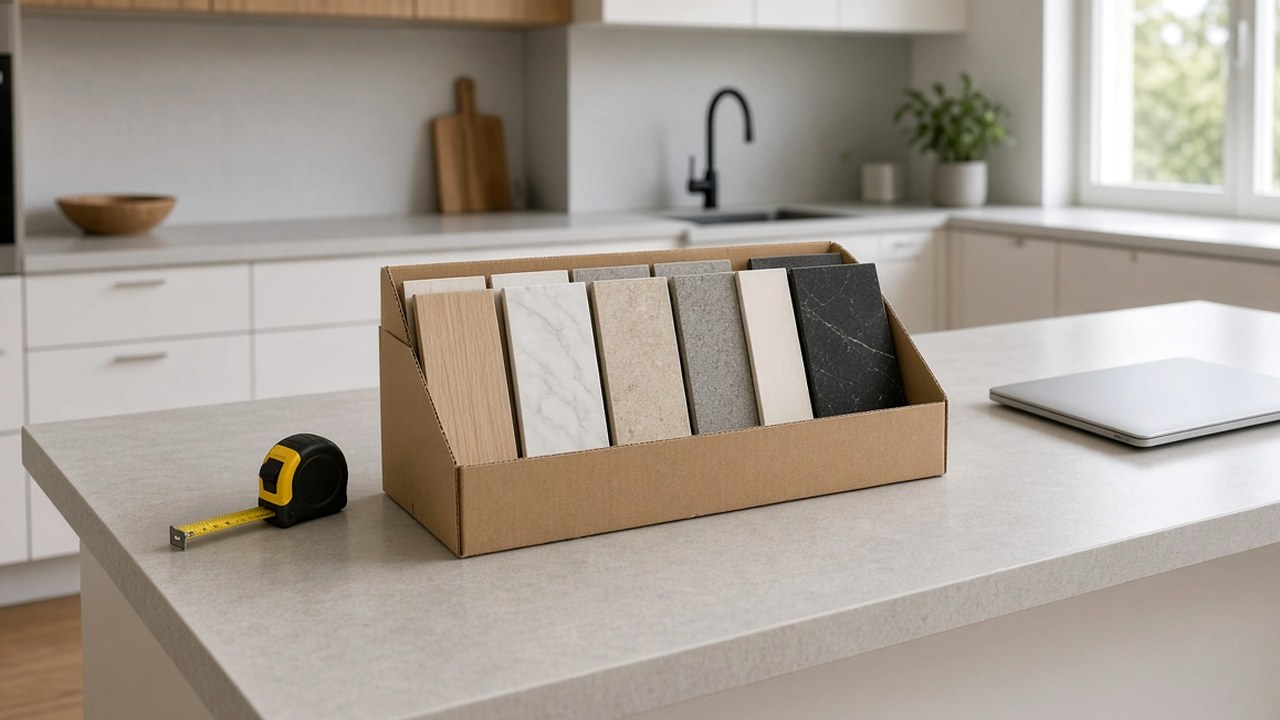
A long guarantee is an easy thing to put in an advert. What matters is what it actually covers. Worktop guarantees can come from the material manufacturer, the fabricator or the fitter, and each covers different things. Kitchen Worktops Store asks clients to read the guarantee before paying, so there are no surprises if something goes wrong later.
Identify who provides the guarantee
There are often two or three layers of cover. The material manufacturer may guarantee the solid surface or stone against manufacturing defects. The fabricator may guarantee their workmanship on joints, cut-outs and edges. The fitter may guarantee the installation, such as levelling and fixing.
Ask your supplier which guarantees apply to your job and who you should contact if there is a problem. If the manufacturer's guarantee depends on the product being fabricated by an approved installer, check that your fabricator qualifies.
- Material guarantees cover manufacturing defects.
- Workmanship guarantees cover fabrication and joints.
- Installation guarantees cover fitting and levelling.
Check what is covered and what is not
Guarantees usually cover defects in materials or workmanship. They rarely cover damage from misuse, such as hot pans placed directly on the surface, knife cuts, impact damage or harsh chemicals. Read the exclusions carefully.
Some guarantees also exclude colour variation between batches, normal wear and tear, or problems caused by the cabinets underneath. Understanding the exclusions helps you use the worktop in a way that keeps the guarantee valid. Store explains practical colour choices in suburban worktop colours that forgive a family school week.
Look at the length and conditions
The length of a guarantee varies by product and supplier. Longer guarantees may require registration within a set period after installation. Some require proof of purchase and details of the fabricator. Missing the registration deadline can reduce or cancel cover.
Make a note of any registration requirement and complete it promptly after fitting. Keep the confirmation with your kitchen paperwork.
- Check whether registration is required.
- Note any time limits for registering.
- Keep proof of purchase and fabricator details.
Follow the care requirements
Many guarantees depend on following the manufacturer's care instructions. That usually means using recommended cleaning products, protecting the surface from heat and using chopping boards. If a problem arises and you have not followed the care guide, the claim may be refused.
Ask for the care guide when the worktop is fitted, and keep it somewhere easy to find. Store explains how to compare samples at home in how to compare worktop samples beside the kettle at home.
Understand how to make a claim
Find out how to report a problem: who to contact, what information they need and how quickly they aim to respond. Photographs, the order number and the product details usually help. A clear claims process is a sign of a supplier who stands behind their work.
If the guarantee is from the manufacturer, you may need to go through the fabricator first. Ask how that process works before you pay.
Check whether it transfers to a new owner
If you might sell your home, ask whether the guarantee transfers to the next owner. Some guarantees are personal to the original purchaser; others transfer with the property. A transferable guarantee can be a small reassurance for buyers.
Store explains other considerations when selling in choosing worktops when you might sell within a few years.
Manufacturer warranty versus installer guarantee
Worktops may carry two types of cover. A manufacturer warranty covers defects in the material itself, such as manufacturing faults. An installer or fabricator guarantee covers workmanship, such as joints, fixing and cut-outs. They may have different lengths and conditions. Ask for both in writing and understand which covers what.
Some manufacturer warranties require installation by an approved fabricator. Check this before choosing an installer.
- Manufacturer warranty covers material defects.
- Installer guarantee covers workmanship.
- Approved fabricators may be required.
Registration requirements
Some warranties must be registered within a set period after installation. Missing the deadline could affect your cover. Register promptly and keep confirmation.
Common exclusions
Guarantees often exclude damage from misuse, such as hot pans placed directly on the surface, impact damage, chemical damage and damage from movement in cabinets or floors. Understanding exclusions helps avoid disappointment. Follow care guidance to stay within the terms.
- Heat damage from hot pans.
- Impact and chemical damage.
- Movement in cabinets or floors.
Keeping a guarantee file
Keep the quote, invoice, guarantee documents, care guide and photographs of the installed worktop together. This file helps with claims and is useful when selling. Kitchen Worktops Store discusses clear quotes in upstands and splashbacks in a clear quote.
Asking questions before you pay
Ask the supplier to explain the guarantee before paying. A reputable supplier will answer clearly.
If the supplier goes out of business
Installer guarantees depend on the installer still trading. Some suppliers offer insurance-backed guarantees that continue if the business closes. Ask whether this applies, and keep manufacturer warranty details separately, as these may still apply.
Questions about worktop guarantees
Does a worktop guarantee cover heat damage?
Usually not. Most guarantees exclude damage from hot pans placed directly on the surface. Use trivets to protect the worktop.
Do I need to register my worktop guarantee?
Some manufacturers require registration within a set time after installation. Check the terms and register promptly.
Who do I contact if my worktop joint fails?
Usually the fabricator or supplier who fitted it. They can advise whether the issue is covered by their workmanship guarantee or the manufacturer's.
What is the difference between a warranty and a guarantee?
A manufacturer warranty usually covers material defects; an installer guarantee usually covers workmanship.
Do worktop warranties need registering?
Some do, within a set period. Register promptly and keep confirmation.
What do guarantees usually exclude?
Misuse such as heat, impact and chemical damage, and movement in cabinets or floors.
What happens to my guarantee if the installer closes?
An installer guarantee may lapse unless it is insurance-backed. The manufacturer warranty may still apply.
Does a guarantee cover joints opening?
Workmanship guarantees often cover joints, but movement in cabinets or floors may be excluded. Check the wording.
Next step with Kitchen Worktops Store
Order a sample, then request a fitted quote or browse the worktop collection. The colour should be judged in your own daylight before anyone templates the run.